Subscription Renewal

My subscription for “Children’s Writer” is about to expire. I need to send in my renewal payment if I wish to continue with uninterrupted issues. For those of you unfamiliar with this newsletter, I would encourage you to become a subscriber. It contains great articles on writing for children, and it includes current publisher needs that are invaluable when looking for new assignments and contacts. This newsletter is a must for any children’s writer. For more information, visit them at www.ChildrensWriter.com.

Perfect Pitch

My writer’s group met today. One of the projects we decided to work on was developing a pitch for our individual stories. A pitch is a one- or two-line blurb that presents your manuscript in a concise form. The main goal is to deliver these pitches to editors or publishers at a conference with the hope of one of them saying, “Sounds interesting. Tell me more.”

Pitches are hard work. Trying to shrink your whole manuscript down to one or two sentences is tough, but the results are worth it since it could lead to getting your manuscript read. One of our group had read an article about pitches using the technique of presenting character, setting/genre, conflict, and goal. This technique could apply to any format, from picture book to indepth novel.

I gave an impromptu pitch at the SCBWI Editor’s Day conference last month. I had prepared ahead of time with a small blurb “just in case,” but when it came time to actually deliver my pitch when asked, I was a bit nervous. Would I forget what I had prepared? Had I worded it correctly? Did I sound sure of myself and my story? Was it the best pitch I could present? These thoughts swirled in my head within seconds.

The pitch didn’t result in any requests for more. I’m sure there was room for improvement. At least I had an opportunity to try and I gained valuable insights on just how it could effectively be done. I also learned that it is important to have something ready for the next time.

Developing a perfect pitch is a must if you plan to attend a conference to promote your manuscripts. Try working on some pitches now while you have time. Work on them in your critique group like I did today. You never know when your efforts could bring future rewards.

Salesmanship

In the 1940’s my grandfather was one of the highest paid salesmen for the Singer Sewing Machine Company in Southern California. He represented a reliable product, had a good way with people, and had a natural knack for sales. Some have said I look a bit like my grandfather. I inherited his sandy blonde hair and blue eyes, but I definitely did not get his sales ability. It was never a skill that I could call my own.

As I further my writing career, I notice that I cannot escape selling because essentially I am selling myself in the form of promoting my stories and articles. Unfortunately, when my grandfather was still living, I never asked him his sales secrets. I could definitely use some of his tips. But I have learned a few things that have improved my salesmanship through the years:

1.      Always deliver quality work – Your work is your best promotional piece, so make sure you are delivering your best.

2.      Meet your deadlines – An editor needs reliable writers to depend on. If you don’t meet your deadlines, they can’t either. I always try to get my articles into their hands several days to a week ahead of schedule. This has given me extra jobs since editors know they can rely on my prompt attention to their assignments.

3.      Keep working – It’s important to get your work out there to earn those all important publishing credits. Sometimes that may include writing for free or a smaller fee. I have made some great contacts this way that have led to good paying assignments.

4.      Participate in Group Lists and Blogs – Networking can open up many doors for work. Join online group lists in the genre you are interested in. Sign up for like-minded blogs. Sometimes you can hear about great leads that can open a door to an assignment. One current project I am waiting to get a contract for came via a lead from a blog.

5.      Develop a website/blog – As you begin to establish yourself as a writer, you want to develop an online presence so people can find out more about you. This is essential if you have a book published.


If you are pursuing publication, you must make yourself known by your work, your

dependability, and your presence. So, as my grandfather would have stressed, get out

there and work, because no one is going to do it for you.

Busy, Busy, Busy

My week has been a blur of activity: school conferences, writers’ meetings, church meetings, doctor’s appointments. The list seems endless. My gas tank is low from all the running around, and so is my energy level. I barely have time to write!

Instead of my minimum two hours or so a day on the computer, I think I’ve spent about twenty minutes writing in the last few days. However, I’m not letting this become a problem. I am trying to focus my mind on fresh and new ideas, as well as revamping old ones. The importance is to keep my creative processes active so that when I do get a few extra minutes to type, I can just sit down and let those ideas flow out of my head and onto my wordprocessing page.

Don’t let crazy schedules stop your writing process. Keep thinking. Keep creating. It’s great exercise for the brain.

The Elusive Note Pad

I need to start carrying a note pad wherever I go. There are just too many times when I have an idea and I didn’t have something to write on because I was running a quick errand (the back of receipts doesn’t count).


And I have no excuse. I have plenty of note pads to choose from that are waiting to be filled with clever words and phrases. I guess I just don’t like having extra things to carry. Maybe I’m trying to keep my mind active by seeing how long I can keep all those fresh ideas in my head. Yet I find as I get older that those ideas slip away much faster than they used to.


So I need to develop a new habit. I will always need to carry three things with me: my keys, my cell phone, and my note pad. It will be hard to remember the note pad at first, but the benefits might be a new picture book idea, or a uniquely inspiring story for my personal blog. I’ll let you know how I succeed later on down the line.

First-Time Attendee

I finally did it. I finally attended my first writers’ event. This past Saturday I joined over 150 other members of the SCBWI for Editor’s Day at the Santa Ana Zoo. The weather was cool, with the threat of rain, but inside we were very snug, with eager anticipation for the talks ahead.

Since I’ve never been to any type of writers’ program before (except for visiting the exhibits at ALA this past summer), I wasn’t sure what to expect. Thankfully, I knew a few people, so I didn’t feel isolated. And since I’ve been writing for a few years now, I knew all the terms.

The guest speakers were great. We were able to glean from the wisdom and encouragement and knowledge of the respected editors and writers who took the time to share. Besides this benefit, the attendees will get a small window of opportunity to submit to the editors’ publishing houses that are normally closed to the average writer.

Would I recommend Editors’ Day to an up and coming writer? Absolutely! It will help encourage you and give you a pulse for the current publishing world.

A Proposal: Looking Back

My proposal is in the mail – finally! Don’t get me wrong. I met my deadline, but I’m glad I’m finished. It was a long hard road to put everything together.


I now need to look back and reflect on my process. I need to evaluate, in the stages and deadlines I set, where there is room for improvement. What parts were easy? In what areas did I struggle? Was there enough time for research?


The hardest part for me was realizing I had spent too much time researching the body of the manuscript. I was required to present two sample chapters with an outline and a marketing analysis. I chose to use the first two points of my outline as samples. Since they were introductory chapters to the main topic, I could have bypassed much of my research and concentrated on those two specific points. My hard work was not totally wasted since the information was vital in presenting a thorough outline, but I should have managed my time better.


Although I gave myself three months to prepare the proposal, I should have considered how busy I would be during that time. The first two months were in the midst of my kids’ summer vacation. Days that I needed to tackle some serious research were spent on activities with my kids. I would not have traded my time with my children, but I should have allowed a few extra weeks to compensate for my shorter study days.


By the last month I was in crunch-mode. There was no time for goofing off. I needed to work harder and stick to my schedule. Thankfully the kids were back in school, leaving me a few solid hours to work. I was tempted to ask for a week or so extension, but then I decided against it. I want my publisher to know I can keep on track with my projects.


It’s good to know I can work well under pressure. But next time I will seriously look at all aspects (scheduling, difficulty of subject matter, and time management) before I commit to a set proposal deadline.

Just the Facts

I learned a valuable lesson the other day: don’t take things for granted, no matter how “reliable” they appear to be.


Last week I heard from my publisher that the illustrator for my non-fiction picture book had signed his contract. Although I was joyful, my excitement was marred a bit by a question the illustrator had about one fact in my manuscript. I pulled out my sources, double checked the facts and realized his point was correct and I was wrong. How did this happen?


The fact had been a last minute addition on the encouragement of my critique group when I had presented the original manuscript to them in the Fall of 2007. I knew I had to verify this suggestion, so I grabbed one of my sources from a big name publisher and confirmed what I thought was accurate information. However, I didn’t verify that this big name publisher was correct. In my rush to send out my manuscript as soon as possible, I relied on one source of information instead of my normal three sources.


I was very embarrassed by my carelessness. I apologized to my publisher, concurred that the illustrator had been right, and admitted I had not checked out this one fact as thoroughly as I should have. Then, I retyped the information as it should have been presented.


Never assume your reference sources are accurate, no matter what publishing house they come from. Anyone can make a mistake and editors can fail to catch information. Check, recheck, and check again. It will save you from having to send out embarrassing e-mails to admit you were wrong.

Teachable

Are you teachable? Whether you’ve been writing for 1 month, five years, or twenty years, you need to be teachable. There is always something to learn.


I have learned and gleaned lots of valuable information from my critique group, the Wordsmiths. The ladies who make up our happy octave could collectively compile a wealth of knowledge that would fill many volumes of teaching aids. I have learned everything from recognizing author intrusion to writing great cliff hangers.


But I had to be willing to put their suggestions into practice. Just because they offered their advice and priceless tips, I still had to be the one to perfect and fine tune so the ideas could be functional on the printed page.


If you want your writing to work, you must be teachable. Take a class, go to a conference, and/or join a critique group. Whatever you do, never stop learning!

A Creative Cache

Do you have a Creative Cache? Actually, that’s just a fancy name for an Idea Box. I think every writer should have one. This is where you store all those little (or big, if you have the room) items that will inspire your upcoming stories.


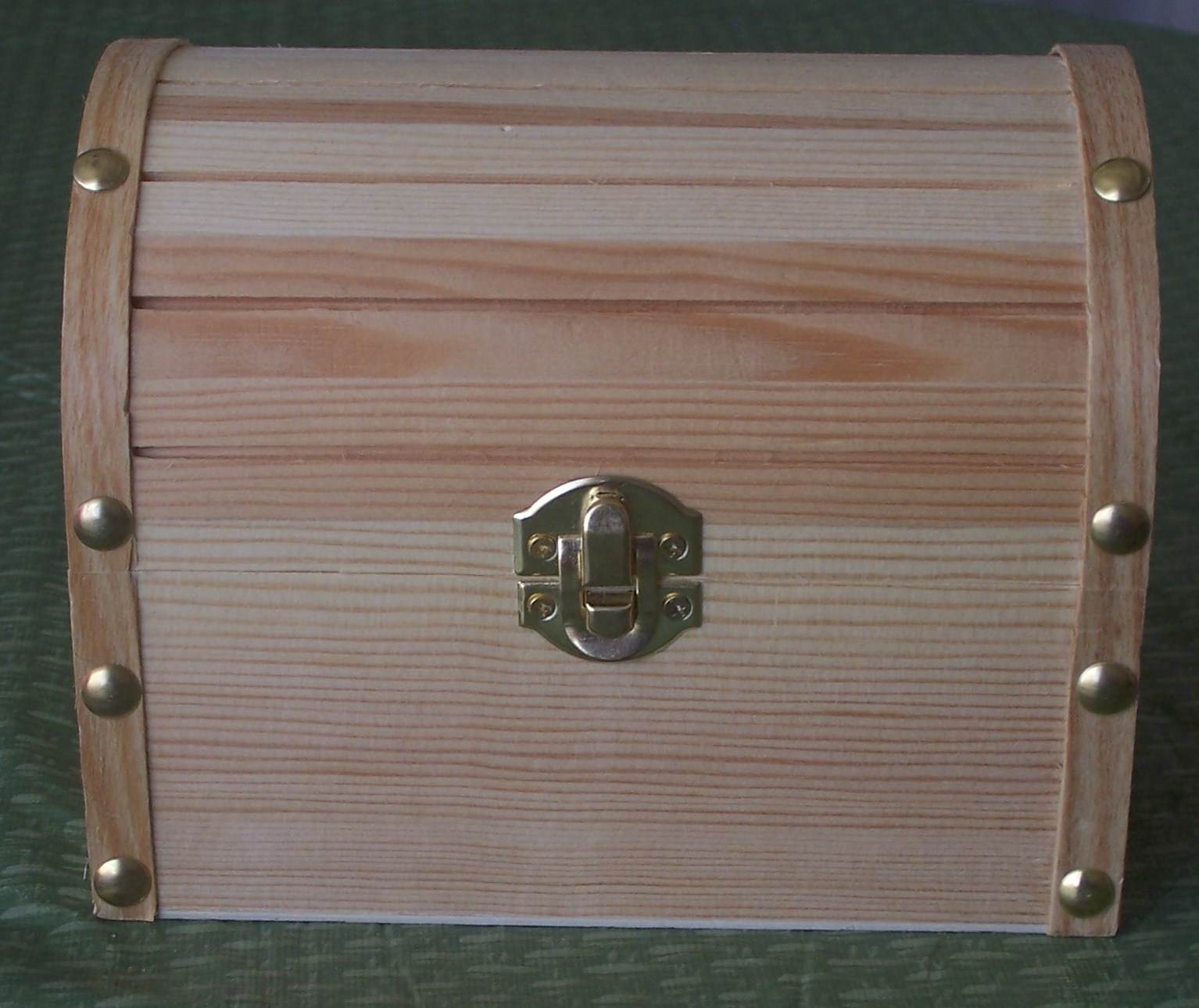
You don’t need a super fancy container. A shoe box will do. The choice is yours. I found a little unfinished wood treasure chest at Michael’s art supplies. I have placed it on my work desk so I can be reminded that there are potential tales stored inside.


And what do I keep inside my Creative Cache? I have a piece of coral, a weird shaped rock, and a fragment of old glass. The coral came from a friend who vacationed on a tropical island. The other items were from vacations in the Southwest. They are my story starters. They are little sparks of an idea that will bring a mystery or an adventure to life.


When friends and family go on trips, I encourage them to find me little out of the ordinary things that I can use for inspiration. And I will keep them inside my Creative Cache. Then, when I have time to write a new story, I can open my little treasure chest and pull out what could be the start of a grand adventure.


If you don’t have your own Creative Cache or Idea Box, you may want to start one. It’s a fun way to ignite your imagination.